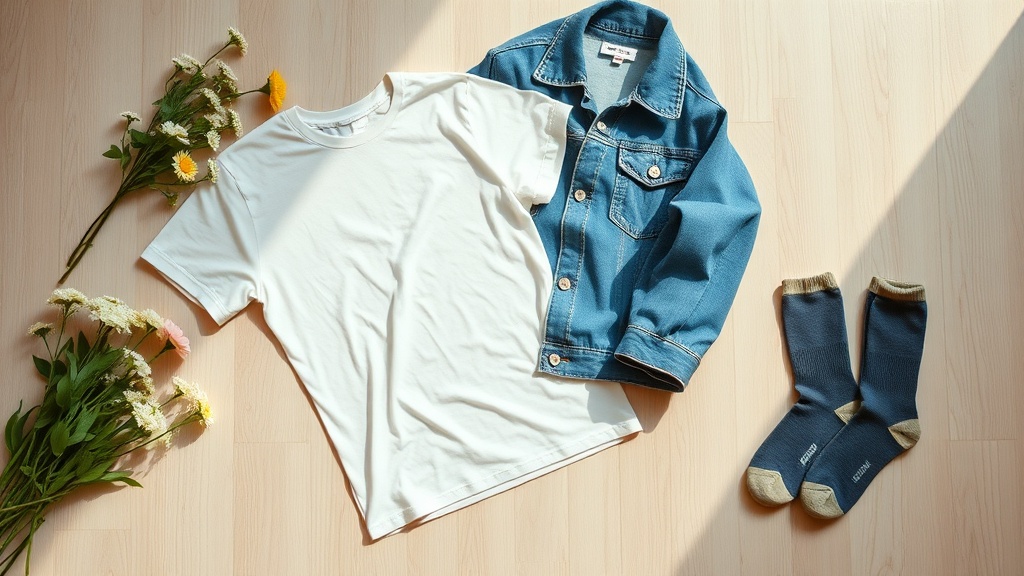
Spring Wardrobe Refresh: Sustainable Style Tips for a Conscious Closet

Ever stare at a crowded closet and wonder why you’ve got nothing to wear for spring? I’ve been there—my own wardrobe felt like a landfill of forgotten tees and fast‑fashion finds. The good news? A few intentional moves can turn that mess into a conscious, stylish spring lineup.
Spring isn’t just about blooming flowers; it’s the perfect cue to reset the pieces you actually wear. In this guide I’ll walk you through a quick audit, smart donation moves, and how to invest in sustainable staples that sync with 2026’s trends.
How do I audit my current wardrobe for sustainability?
Start with a simple “yes/no” checklist. Pull every item out and ask:
- Did I wear this in the past year?
- Is it made from a synthetic that sheds micro‑fibers?
- Does it have a clear brand origin or recycled content label?
I use a spreadsheet (see my minimalism audit template) to log each piece, its material, and a quick “keep, donate, recycle” decision. The goal is to surface the hidden gems—like that organic‑cotton tee you love—and ditch the rest.
What should I do with the clothes I’m ready to let go?
Donating is great, but you can boost the impact by choosing circular‑fashion programs that actually upcycle. Here are three options I’ve tested:
- Local textile recycling bins—many cities now accept mixed fabrics for repurposing.
- Brand‑run take‑back schemes—e.g., Patagonia’s Worn Wear or H&M’s garment collection.
- Community swaps—organize a “conscious closet swap” with friends; you get fresh pieces without buying new.
Tip: Include a note about the item’s condition and any sustainable features; it helps the next wearer appreciate its value.
Which sustainable fabrics should I prioritize this spring?
2026’s eco‑fashion buzz centers on three materials that balance comfort, durability, and low impact:
- Organic cotton—grown without synthetic pesticides; look for GOTS certification.
- Recycled denim—takes old cotton waste and turns it into a fresh, rugged look. Esquire’s recent spring‑jacket roundup highlighted a recycled‑denim bomber that’s both stylish and climate‑smart.
- Lyocell (Tencel)—derived from sustainably managed wood pulp; it drapes beautifully for breezy spring shirts.
When shopping, check the label for percentages (e.g., “100% recycled polyester”). If the claim feels vague, hover over the brand’s sustainability page or use the Fashion Revolution guide to verify.
How can I style eco‑friendly pieces with this season’s trends?
The spring 2026 runway is all about relaxed tailoring, pastel pops, and functional outerwear. Pair your sustai
Related Reading
- Spring Refresh: Embracing Minimalism for a Clutter‑Free Home — a deeper dive into minimalist decluttering that pairs well with your wardrobe audit.
- The 90‑Day Career Sprint — how short‑term systems can boost habit tracking, including your closet audit.
- The 5‑Minute Weekly Review — a quick habit loop to keep your sustainable fashion goals on track.
Takeaway
Refreshing your wardrobe doesn’t have to be a costly, wasteful sprint. By auditing, responsibly parting with old pieces, and intentionally choosing sustainable fabrics, you create a spring closet that feels light, looks fresh, and aligns with your values. Try the checklist, share your favorite eco‑finds in the comments, and let’s keep each other accountable.