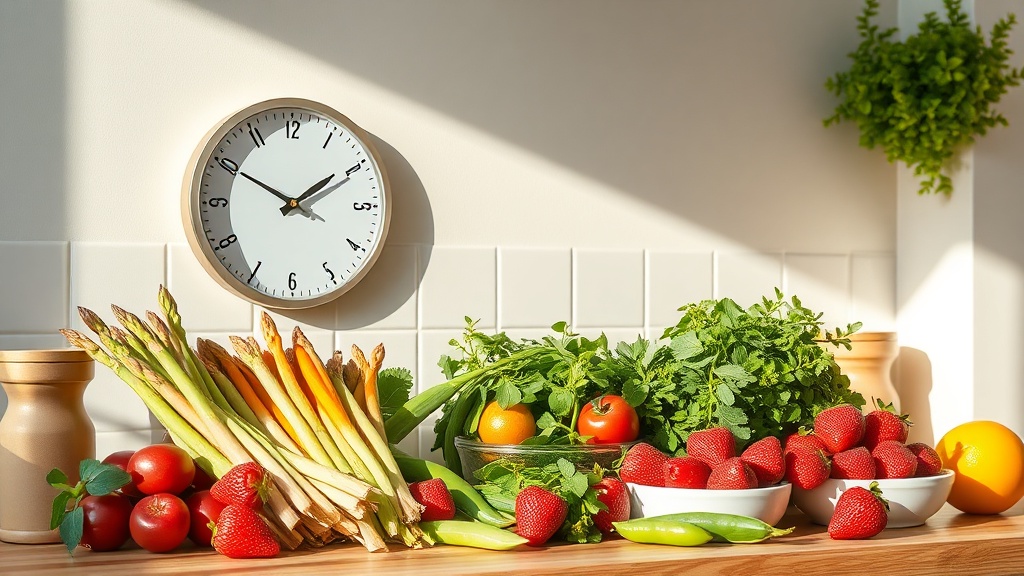
Spring Meal Prep: Bio‑Harmony Recipes Aligned with Your Circadian Rhythm

Ever wonder why you feel sluggish after lunch but energized after a late‑afternoon snack? The secret might be in the timing of what you eat. Aligning your meals with your body’s internal clock — a practice I call bio‑harmony — can turn spring’s fresh bounty into a daily energy boost.
Spring isn’t just a season; it’s a natural reset. Longer daylight, cooler evenings, and a flood of vibrant produce give us a perfect window to recalibrate our eating patterns. In this guide I’ll share a weekly meal‑prep system that leverages seasonal ingredients to support energy, digestion, and sleep quality.
What Is Bio‑Harmony and Why Does It Matter?
Bio‑harmony is the practice of syncing nutrition, activity, and rest to your circadian rhythm — the 24‑hour cycle that governs hormone release, metabolism, and alertness. Research shows that eating at the “right” times can improve glucose control by up to 15% and boost sleep quality (Harvard Health, 2024). In other words, food becomes another lever you can pull to feel more focused and rested.
How Can I Align My Meals With My Circadian Rhythm?
Think of your day in three blocks:
- Morning (6 am‑12 pm): Light, protein‑rich foods that jump‑start metabolism.
- Afternoon (12 pm‑6 pm): Balanced carbs and vegetables to sustain energy.
- Evening (6 pm‑10 pm): Light, easily digestible meals that promote melatonin production.
By matching the macronutrient profile to each window, you respect the natural hormonal ebb and flow. For a deeper dive on timing, see my earlier post Daylight Saving Reset: Light Therapy to Align Your Body Clock.
Which Spring Ingredients Support My Body Clock?
Spring brings a roster of foods that naturally boost circadian alignment:
- Asparagus: High in folate, it helps synthesize serotonin, a precursor to melatonin.
- Peas & Snap Peas: Light carbs with low glycemic impact, perfect for midday energy.
- Strawberries: Rich in vitamin C and antioxidants that support adrenal health.
- Fresh Herbs (mint, basil, dill): Aromatic compounds can improve digestion and lower cortisol.
- Eggs: A complete protein that stabilizes blood sugar in the morning.
All of these items are featured in my spring grocery list Indoor Herb Gardens for Urban Apartments — another great resource for sourcing fresh herbs year‑round.
What Does a Weekly Spring Meal‑Prep Plan Look Like?
Below is a sample 7‑day plan that you can batch‑cook on Sunday. Adjust portions to fit your calorie goals.
| Day | Morning | Afternoon | Evening |
|---|---|---|---|
| Mon‑Fri | Scrambled eggs with asparagus & mint + a handful of strawberries | Quinoa bowl with peas, grilled chicken, lemon‑dill dressing | Light salmon salad with mixed greens, basil vinaigrette, and roasted carrots |
| Sat | Greek yogurt parfait (strawberries, honey, chia seeds) | Spring vegetable stir‑fry (snap peas, bell pepper, tofu) over brown rice | Zucchini noodles with pesto, cherry tomatoes, and a poached egg |
| Sun | Protein smoothie (spinach, banana, almond milk, whey) | Leftover salad bowl or fresh garden salad | Herb‑infused broth with shredded chicken and spring greens |
Prep tips:
- Batch‑cook quinoa and brown rice on Sunday; store in airtight containers.
- Roast a tray of asparagus and carrots; they keep well for 4‑5 days.
- Portion out herbs into zip‑lock bags; they stay fresh longer when kept dry.
For a visual walkthrough, check out my 5‑Minute Weekly Review post, where I outline how I schedule prep time in my calendar.
How Do I Adjust Meals Throughout the Day for Energy, Digestion, and Sleep?
Morning boost: Aim for 20‑30 g of protein within the first hour of waking. Protein spikes cortisol just enough to wake you up without causing a crash later.
Afternoon sustain: Include complex carbs (quinoa, brown rice) with fiber‑rich veggies. This steadies blood glucose, preventing the post‑lunch slump that many attribute to “caffeine crash.”
Evening wind‑down: Keep the meal under 500 kcal, focus on lean protein and non‑starchy veg. Add a pinch of magnesium‑rich pumpkin seeds to support melatonin synthesis (NIH, 2023).
When you notice a dip in focus, ask yourself: “Is it the timing or the composition?” Small tweaks — swapping a carb‑heavy side for a leafy salad after 4 pm — often yield noticeable results.
Takeaway
Bio‑harmony isn’t a fad; it’s a simple system: match food type to time of day, use seasonal spring produce, and batch‑prepare once a week. Start by swapping your usual breakfast for an egg‑asparagus combo, prep a quinoa‑pea lunch bowl on Sunday, and finish with a light herb‑infused dinner. Track your energy and sleep for a week — you’ll likely see a measurable lift.
Ready to sync your plate with the sun? Grab your spring grocery list, set a Sunday prep timer, and let your body do the rest.