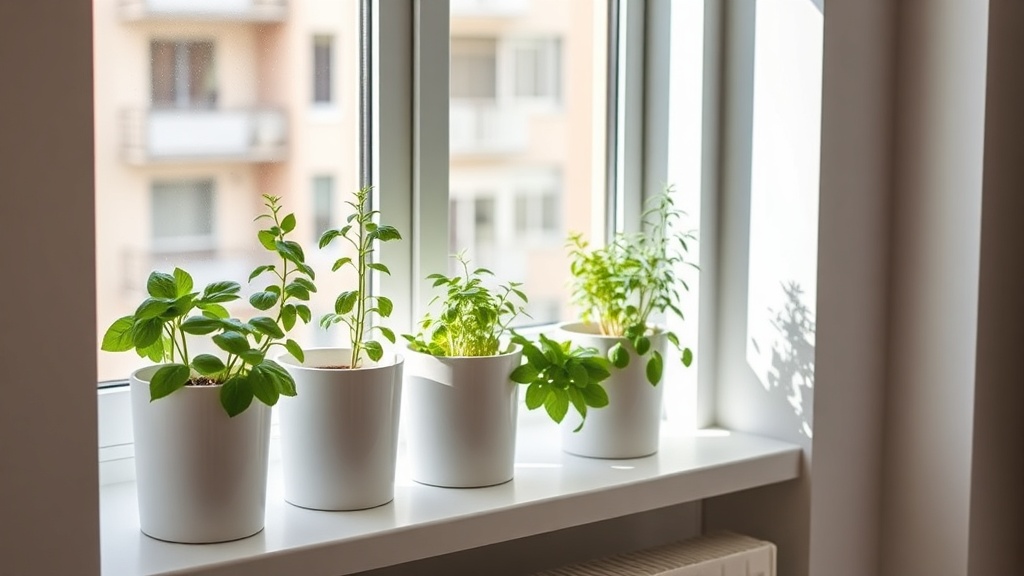
Spring Gardening: Indoor Herb Gardens for Urban Apartments — Grow Fresh Flavors Year-Round

Spring Gardening: Indoor Herb Gardens for Urban Apartments — Grow Fresh Flavors Year-Round
Hook:
Ever wondered why your kitchen feels bland without fresh basil or mint? Spring’s longer daylight and milder temps make it the perfect moment to turn a tiny windowsill into a flavorful herb oasis.
Context:
Urban living often means limited space, but the rise in indoor gardening kits—up 20% in Q1 2026—shows more city dwellers are craving home‑grown produce. In this guide, I’ll walk you through the exact steps to set up a thriving indoor herb garden, even if your apartment is the size of a shoebox.
What herbs thrive best on a windowsill?
Choosing the right herbs is the foundation of success. Basil, mint, rosemary, and parsley are the most forgiving for indoor conditions. They need moderate light, regular watering, and a bit of airflow. If you’re new to indoor gardening, start with these four:
- Basil — Great for pesto, salads, and summer drinks.
- Mint — Perfect for teas and cocktails; keep it contained to avoid spreading.
- Rosemary — Aromatic, loves drier soil, ideal for roasted dishes.
- Parsley — A versatile garnish that tolerates lower light.
Pro tip: Rotate your pots every few days so each side gets equal light exposure.
How do I choose affordable lighting for a small space?
Natural light is fantastic, but most apartments lack consistent sunlight. LED grow lights are energy‑efficient and affordable.
- Determine light intensity: Look for a light output of 200‑400 µmol/m²/s for herbs.
- Select a spectrum: Full‑spectrum (400‑700 nm) mimics sunlight and promotes balanced growth.
- Set up the fixture: Hang the light 12‑18 inches above the plants and run it 12‑14 hours daily using a timer.
Budget option: The Spider Farmer SF‑1000 LED panel retails around $120 and covers a 2‑ft² area—perfect for a windowsill garden.
What’s the ideal watering schedule?
Over‑watering is the #1 mistake for indoor growers. Here’s a simple routine:
- Check soil moisture: Insert your finger 1 in deep; if it feels dry, water.
- Water amount: Aim for enough to moisten the entire root zone without pooling.
- Frequency: Typically once every 2‑3 days for basil and mint, every 4‑5 days for rosemary and parsley.
Pro tip: Use a spray bottle for mint to keep leaves from rotting.
How can I maximize space in a tiny apartment?
Space‑saving containers are a game‑changer. Consider these setups:
- Vertical wall planters: Pocket‑style fabric pockets mount on a wall, letting you grow 6‑8 herbs in a 2‑ft² area.
- Stackable trays: Stackable hydroponic trays let roots share water, reducing floor footprint.
- Window‑sill shelves: A narrow 3‑tier shelf fits most windows and provides airflow.
DIY idea: Repurpose a wooden wine rack as a tiered herb garden—paint it, add drainage trays, and you’ve got a rustic, space‑efficient display.
When and how should I harvest my herbs?
Harvesting encourages bushier growth. Follow these guidelines:
- Basil & mint: Snip just above a leaf node once the plant is 6‑8 in tall.
- Rosemary: Trim the top 2‑3 inches, avoiding the woody stems.
- Parsley: Cut the outer leaves first, letting the inner ones continue growing.
Pro tip: Harvest in the morning after the dew has dried for the most robust flavor.
Takeaway
Your apartment doesn’t have to be a flavor‑less box. By picking hardy herbs, setting up affordable LED lighting, watering wisely, and using vertical containers, you can enjoy fresh, home‑grown herbs year‑round. Start this spring, and let the aroma of basil and mint become your daily motivation.
Related Reading
- Spring Refresh: Embracing Minimalism for a Clutter‑Free Home — Learn how decluttering creates space for a thriving herb garden.
- Spring Refresh Your Wellness Routine: 6 Expert‑Backed Habits — Discover how fresh herbs boost health and wellbeing.
- Spring Clean Your Digital Life: A Step‑by‑Step Guide — Pair a digital detox with a fresh start in your kitchen garden.