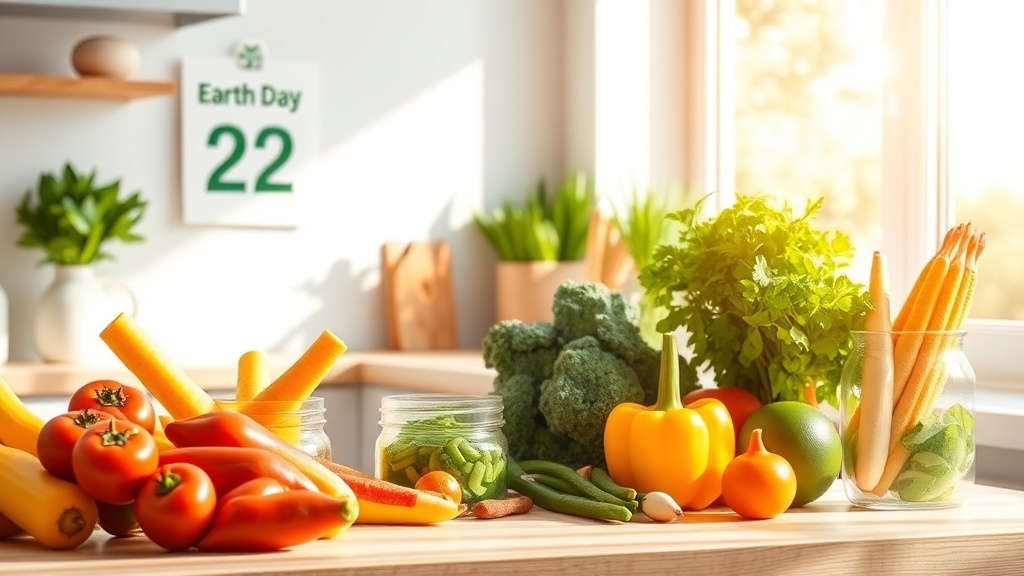
Earth Day 2026: Eco‑Friendly Bio‑Harmony Recipes to Cut Food Waste

Why Earth Day Matters for Your Plate Right Now?
Did you know that the average American household throws away about 30% of the food they buy? That’s roughly the equivalent of 422 million tons of food each year—a massive carbon footprint that we can all help shrink. With Earth Day just weeks away, it’s the perfect moment to rethink how we eat.
What Is Bio‑Harmony and How Does It Fit Into Sustainable Eating?
Bio‑Harmony is the practice of aligning your meals with your body’s natural rhythms and the environment’s cycles. By choosing foods that are in season, locally grown, and nutritionally timed to your circadian clock, you get two wins: less waste and better health.
Research from the Journal of Chronobiology (2023) shows that eating meals that sync with daylight can improve digestion and sleep quality. Pair that with seasonal produce, and you’re feeding both yourself and the planet.
How Can I Reduce Food Waste With Simple, Seasonal Recipes?
Here are five quick‑hit dishes you can throw together with ingredients you’ll likely find at a farmer’s market or your local grocery’s seasonal aisle. Each recipe is designed to use the whole ingredient, minimizing scraps.
1. Sunrise Veggie Stir‑Fry (Spring Asparagus & Peas)
Why it works: Asparagus and peas peak in early spring, so they’re at their freshest and cheapest. The quick stir‑fry uses the stems (often discarded) and the peas’ pods for extra texture.
- Ingredients: 1 lb asparagus (trimmed), 1 cup snow peas (including pods), 2 tbsp olive oil, 1 tsp ginger, 2 tbsp low‑sodium soy sauce, 1 tsp sesame seeds.
- Steps: Heat oil, add ginger, toss asparagus and peas, stir‑fry 4‑5 min, finish with soy sauce and sesame seeds.
- Tip: Save the asparagus tips for a garnish on the next day’s soup.
2. Midday Power Bowl (Rainbow Quinoa & Roasted Root Veggies)
Root vegetables like carrots, beets, and radishes are at their peak in April. Roast them with the skins on, then toss with cooked quinoa for a nutrient‑dense bowl.
- Ingredients: 1 cup quinoa, 2 cups mixed root veggies (skin on), 2 tbsp olive oil, ½ tsp smoked paprika, pinch sea salt.
- Steps: Roast veggies at 400°F for 20 min, cook quinoa, combine, drizzle with lemon‑tahini dressing.
- Tip: Use leftover quinoa for breakfast porridge the next morning.
3. Evening Calm Soup (Cabbage & Apple)
Cabbage is a low‑cost, low‑waste staple. Pair it with a crisp apple for a sweet‑savory balance that supports digestion before bedtime.
- Ingredients: ½ head cabbage (shredded), 1 apple (thinly sliced), 2 cups vegetable broth, 1 tbsp apple cider vinegar, pinch nutmeg.
- Steps: Sauté cabbage 5 min, add broth and apple, simmer 15 min, finish with vinegar and nutmeg.
- Tip: Freeze any extra soup in portion‑size containers for future lunches.
4. Night‑Shift Snack (Herb‑Infused Hummus & Veggie Sticks)
Grow fresh herbs on your windowsill (see our Indoor Herb Gardens guide) and blend them into hummus. The bright flavor keeps you alert without the crash of caffeine.
- Ingredients: 1 can chickpeas, 2 tbsp olive oil, 1 clove garlic, handful of basil or mint, juice of ½ lemon, salt.
- Steps: Blend all ingredients until smooth, serve with carrot & cucumber sticks.
- Tip: Store leftover hummus in a sealed jar; it stays fresh for 5 days.
5. Post‑Meal Reset Smoothie (Spinach, Kiwi & Chia)
Spinach is abundant in early spring, and kiwi adds a vitamin‑C boost that helps your body absorb iron from the greens.
- Ingredients: 2 cups spinach, 2 ripe kiwis, 1 tbsp chia seeds, 1 cup almond milk, ½ tsp honey.
- Steps: Blend until creamy, enjoy within 30 min.
- Tip: Save the pulp for a compostable garden feed.
How Do I Store Leftovers to Keep Them Fresh and Waste‑Free?
Proper storage is a hidden hero of food‑waste reduction. Here are three quick tricks:
- Glass over plastic: Glass containers don’t absorb odors and can go from fridge to oven.
- Portion‑size containers: Split meals into single‑serve jars so you only open what you’ll eat.
- Label with dates: Write the prep date on each lid; most leftovers stay safe for 3‑4 days.
For a deeper dive on container systems, check out our Personal Dashboard post—yes, it’s not food‑related, but the same visual‑tracking principles apply.
What’s My Next Step After These Recipes?
Earth Day is just the kickoff. To keep the momentum:
- Track your weekly food waste in a simple spreadsheet (see our Light‑Therapy post for a template).
- Swap one grocery trip a month for a farmer’s‑market visit.
- Share your favorite recipe on social with #EarthDayBioHarmony and tag @careergoals.
Takeaway
By choosing seasonal, locally sourced ingredients and timing meals to your body’s natural clock, you can slash food waste, lower your carbon footprint, and feel more energized—all in time for Earth Day 2026. Start with one of these five recipes, track your impact, and watch the benefits compound.