Daylight Saving Reset: Light Therapy to Align Your Body Clock

Spring forward and suddenly you’re hitting snooze, feeling foggy, and wondering why your coffee isn’t cutting it. That jolt is daylight saving time scrambling your internal clock, but you don’t have to suffer the whole season.
In this guide I’ll walk you through a proven, step‑by‑step system to use light therapy boxes and a few lifestyle tweaks that reset your circadian rhythm fast, boost energy, and get your sleep back on track.
What is a circadian rhythm and why does daylight saving mess it up?
Our bodies run on a roughly 24‑hour cycle called the circadian rhythm. It’s driven by light exposure, hormone release, and temperature changes. When clocks spring forward an hour, the light cue you get in the morning shifts, and your brain still thinks it’s earlier. The result? Grogginess, lower productivity, and a dip in mood.
How does light therapy work to reset your internal clock?
Light therapy boxes emit a bright, full‑spectrum light (usually 10,000 lux) that mimics natural sunrise. By sitting in front of the box for a short period, you signal to the suprachiasmatic nucleus (the brain’s master clock) that it’s morning, nudging the rhythm forward.
Recent research from the Journal of Sleep Research (2025) showed that a 30‑minute morning session for three consecutive days cut post‑DST fatigue by 40% compared to no intervention.
Which light therapy box should I choose?
Not all boxes are created equal. Here’s a quick decision matrix:
- Brightness: Aim for 10,000 lux at a comfortable distance (about 12‑18 inches).
- UV filter: Make sure the device is UV‑free to protect skin and eyes.
- Size & portability: If you travel, a compact model like the Philips SmartSleep Go works well.
- Price range: Good entry‑level boxes sit around $150‑$200; premium models with timers and dimmers can hit $300.
When should I use light therapy after the spring forward?
Start on the first morning you notice the shift—ideally within 24‑48 hours. Schedule your session for the earliest part of your day, preferably between 6 am and 9 am, before caffeine hits.
How long and how bright should my light sessions be?
Research points to a sweet spot: 30 minutes at 10,000 lux. If you’re new to light therapy, begin with 15 minutes and build up. Keep the box angled so the light hits your eyes indirectly (you don’t have to stare directly).
What additional lifestyle tweaks can support the reset?
Light therapy is a powerful tool, but pairing it with a few system‑level habits makes the reset rock solid:
- Morning sunlight exposure: After your box session, step outside for 10 minutes. Natural light reinforces the signal.
- Consistent sleep window: Go to bed and wake up at the same times, even on weekends.
- Limit evening blue light: Use screen‑filter apps after 8 pm.
- Physical activity: A brief walk or stretch in the morning boosts cortisol in a healthy way.
- Hydration: Dehydration can amplify fatigue. Aim for 2‑3 L of water before noon.
Common mistakes to avoid with light therapy
- Using it too late in the day: Evening exposure pushes your clock later, worsening the problem.
- Skipping consistency: One‑off sessions give mixed signals. Aim for at least 5 days in a row.
- Looking directly at the light: It’s uncomfortable and unnecessary; indirect exposure is enough.
- Ignoring personal health factors: If you have bipolar disorder, consult a doctor before starting light therapy.
Takeaway: Reset your clock in three simple steps
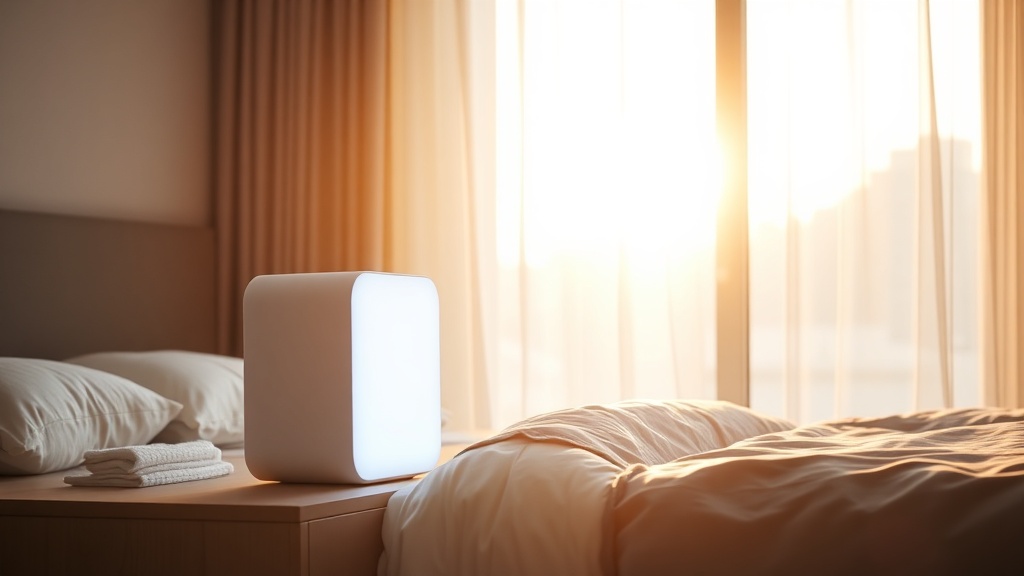
- Pick a 10,000‑lux, UV‑free light box and place it on your bedside table.
- Each morning for the first week after DST, sit 12‑18 inches away for 30 minutes while you read, work, or sip coffee.
- Layer in sunrise exposure, consistent sleep times, and reduced evening screens to lock in the new rhythm.
Give it a try this week and you’ll notice sharper focus, less reliance on caffeine, and a smoother transition into the longer days of summer.
Related Reading
- Daylight Saving Time: Shift Your Calendar for More Engagement — why the clock change matters for productivity.
- Spring Refresh Your Wellness Routine — broader habits that keep you healthy year‑round.
- Sunday Reset: 5 Systems to Supercharge Your Work Week — the same systems mindset I apply to sleep.