Allergy Season Relief: Natural Remedies for Spring Pollen

Is your nose constantly running and eyes watering as soon as the first blossoms appear? You’re not alone—spring pollen spikes in April, and the usual antihistamines aren’t the only answer.
In this quick‑hit guide I’ll share the natural, evidence‑backed tricks I’ve tested during my own allergy season. They’re cheap, easy to implement, and fit right into the systems‑thinking mindset I champion on Career Goals.
What are the most effective natural remedies for spring pollen?
Can local honey really desensitize me to pollen?
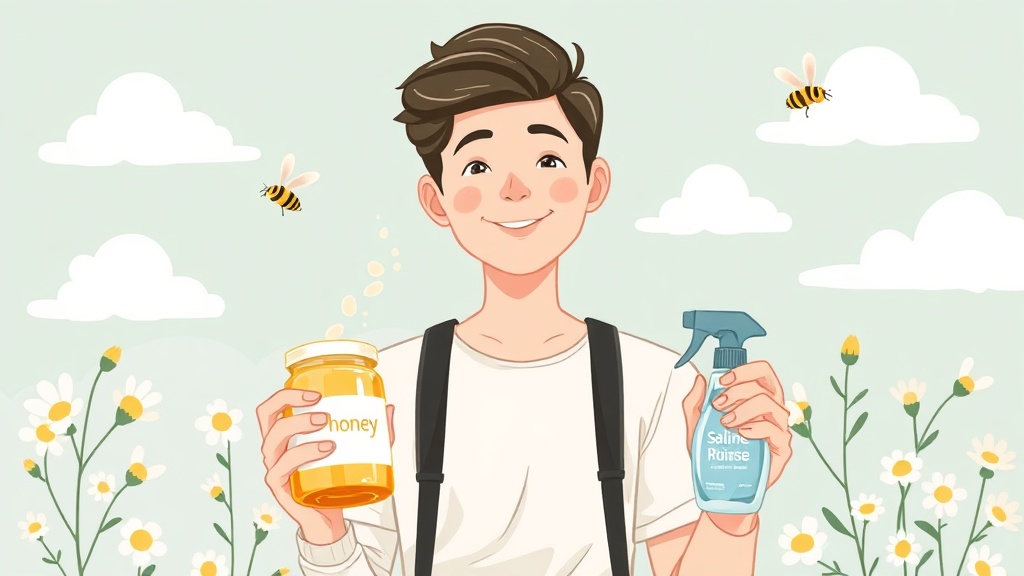
Eating a teaspoon of raw, locally‑sourced honey each day may expose you to tiny amounts of the same pollen that triggers your symptoms. A small study published in the Journal of Allergy and Clinical Immunology found modest symptom reduction after eight weeks of daily consumption. The key is to choose honey that’s unpasteurized and harvested within a 30‑mile radius of your home.
Which foods are rich in quercetin, and how does it help?
Quercetin is a flavonoid that stabilizes mast cells, the culprits behind histamine release. Foods like apples, red onions, kale, and capers pack a quercetin punch. According to the Mayo Clinic, a 500 mg supplement (or equivalent food intake) can reduce nasal congestion and itchy eyes for many sufferers.
How does a saline rinse work, and is it worth the hassle?
Saline nasal irrigation flushes out pollen particles and mucus, lowering the inflammatory load. The American Academy of Otolaryngology‑Head and Neck Surgery recommends a hypertonic solution (2‑3 % salt) for best results. I use a simple squeeze bottle twice a day—once after waking and once before bed—and notice a clear difference in breathing comfort.
What indoor‑air tweaks can cut pollen exposure?
Even if you keep windows shut, pollen can infiltrate through HVAC systems and clothing. Here are three quick upgrades:
- HEPA air purifier: Place a unit in your bedroom; a Consumer Reports test shows models with a true HEPA filter capture 99.97 % of particles down to 0.3 µm, which includes most pollen grains.
- Wash bedding weekly: Dust mites and pollen settle on sheets. Hot water (≥130 °F) kills both.
- Indoor plants with air‑cleaning properties: Spider plant and peace lily absorb airborne allergens. See my indoor herb garden guide for low‑maintenance options.
How can I integrate these remedies into my daily system?
Think of each remedy as a habit block in the same way you’d set up a career‑growth system. Here’s a sample 7‑day starter plan:
- Morning: 1 tsp local honey with coffee, followed by a quick saline rinse.
- Mid‑day: Add a quercetin‑rich snack (apple slices with almond butter).
- Evening: Run the HEPA purifier on “auto” mode, wash bedding on day 4, and water your indoor plants.
After two weeks, track your symptom score (0‑10) in a simple spreadsheet—just like you’d monitor a career KPI. Adjust dosage or timing based on what the data tells you.
What should I watch out for?
Natural doesn’t always mean risk‑free. Here are a few cautions:
- Honey allergies: If you’re allergic to bee products, skip this remedy.
- Quercetin interactions: High doses may interfere with blood‑thinning medication; consult your doctor if you’re on such meds.
- Saline rinse technique: Use sterile water to avoid rare infections like Naegleria fowleri exposure.
Takeaway: Build a simple, data‑driven allergy‑relief system
Spring pollen won’t wait, but you can stay ahead by turning natural remedies into repeatable habits. Pick one or two tactics, log your results, and iterate—just like you’d refine a career‑growth framework. Breathe easier, stay productive, and keep the focus on what works for you.