11 Career Skills That Actually Move You Forward (Not Just Look Good on LinkedIn)

Prioritization (What Actually Matters vs. What Feels Urgent)
Communication (Clear & Concise Beats Smart & Complex)
Deep Work (Actually Finishing Hard Things)
Stakeholder Awareness (Understanding What People Actually Care About)
Execution Speed (Shipping Before It’s Perfect)
Learning How to Learn (Meta-Skill That Unlocks Everything Else)
Visibility (Making Your Work Seen Without Being Annoying)
Decision-Making (Not Getting Stuck in Analysis Loops)
Energy Management (Not Just Time Management)
Feedback Loops (Getting Better Faster)
System Thinking (The Skill That Ties Everything Together)
Okay so I need to say something that might annoy a few people.
A lot of the “skills” we’re told to build are basically cosmetic. They make your LinkedIn look better. They don’t actually move your career forward.
I know because I spent a full year optimizing for the wrong things — certifications, random courses, polishing my profile — and my actual career barely changed.
Then I started treating skill-building like a system instead of a checklist.
Different result entirely.
So this is the list I wish I had 3 years ago — the skills that actually compound. Not the ones that sound impressive, the ones that get you promoted, get you paid more, and make your work easier.
1. Prioritization (What Actually Matters vs. What Feels Urgent)

Real talk: most people don’t have a workload problem. They have a prioritization problem.
I used to treat everything like it mattered equally. Answer every Slack. Join every meeting. Work on whatever showed up first.
Result: busy all day, nothing meaningful shipped.
The shift was learning to ask one question: “If I only finished one thing today, what would actually move things forward?”
That question alone changed how I work.
- Pick 1–3 priorities per day
- Do them before reactive work
- Everything else is optional
Try this week: Start your day by writing ONE outcome that would make the day a win. Protect it.
2. Communication (Clear & Concise Beats Smart & Complex)

I used to think sounding smart meant using more words.
Turns out it’s the opposite.
The people who get ahead are the ones who can explain complex ideas simply — in meetings, in Slack, in decks.
If your manager has to reread your message, you’re losing points.
- Short sentences
- Clear structure
- Lead with the conclusion
Framework I use: Context → Insight → Recommendation.
That’s it.
3. Deep Work (Actually Finishing Hard Things)

This one gets talked about a lot, but almost nobody actually does it consistently.
I tracked my time for a week and realized I was doing maybe 60–90 minutes of real work per day. The rest was noise.
Now I block 90-minute sessions for anything that requires thinking.
- No Slack
- No email
- No meetings
Just one problem, solved start to finish.
What changed: I started finishing projects faster than people who were “always online.”
4. Stakeholder Awareness (Understanding What People Actually Care About)

This is the least talked about skill and probably the highest ROI.
Early in my career, I’d do good work that nobody seemed to care about.
Because I wasn’t solving the right problems.
Now I ask:
- What does my manager care about this quarter?
- What does leadership care about?
- How does my work connect to that?
Once you align your work with those answers, things move faster.
5. Execution Speed (Shipping Before It’s Perfect)

I used to overthink everything.
Polish, tweak, refine, wait.
Meanwhile, someone else shipped a “good enough” version and got the credit.
The shift: speed is a skill.
- First version fast
- Improve after feedback
- Don’t wait for perfect
Most work is iterative anyway.
6. Learning How to Learn (Meta-Skill That Unlocks Everything Else)

This is the one that compounds the most.
If you can learn quickly, you can pivot, level up, and adapt faster than almost anyone.
My system:
- Learn just enough theory to start
- Apply immediately
- Reflect and adjust
Most people stay stuck in “learning mode” too long.
Application is where growth happens.
7. Visibility (Making Your Work Seen Without Being Annoying)

Okay, this one used to feel uncomfortable.
I thought good work would speak for itself.
It doesn’t.
People are busy. If you don’t surface your work, it gets missed.
The key is doing it without turning into a LinkedIn performance post.
- Weekly updates to your manager
- Share results, not effort
- Highlight impact, not activity
It’s not self-promotion. It’s clarity.
8. Decision-Making (Not Getting Stuck in Analysis Loops)

I used to over-research everything.
Compare options, gather more data, wait for certainty.
Problem: most decisions don’t need that much time.
Now I categorize decisions:
- Reversible → decide fast
- Irreversible → take time
This alone cut my decision time in half.
9. Energy Management (Not Just Time Management)

I ignored this for way too long.
I thought productivity was about squeezing more hours out of the day.
It’s not. It’s about managing your energy.
- Do hard work when you’re sharp
- Take real breaks
- Sleep like it matters (it does)
When I fixed this, everything else got easier.
10. Feedback Loops (Getting Better Faster)

Most people avoid feedback.
I get it. It’s uncomfortable.
But it’s the fastest way to improve.
I started asking:
- What would you do differently?
- What’s unclear here?
- What’s missing?
Short-term discomfort, long-term growth.
11. System Thinking (The Skill That Ties Everything Together)
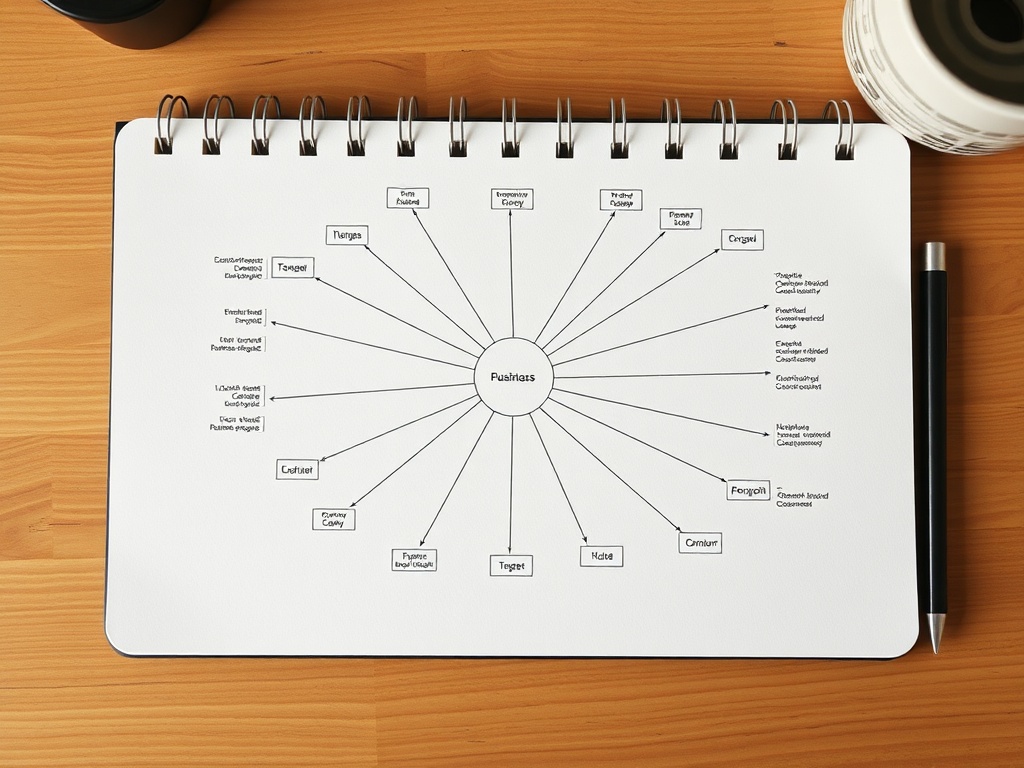
This is the one I didn’t even realize I was building.
Instead of relying on motivation, I started building systems:
- Weekly planning routine
- Deep work blocks
- Quarterly goals
Once the system is in place, you don’t have to think as much. You just follow it.
And that’s where consistency comes from.
The Pattern Behind All of These
So here’s the thing.
None of these are flashy.
You can’t put “good at prioritization” as a sexy LinkedIn headline.
But these are the skills that actually make your work better, faster, and more visible.
And that’s what careers are built on.
If You Only Focus on 3
If this list feels like a lot, start here:
- Prioritization
- Deep Work
- Communication
Those three alone will change how you show up at work.
What I’d Do If I Were Starting Over
I wouldn’t chase more courses or certifications.
I’d pick one of these skills, run a 30-day experiment, and track what changes.
That’s how you actually build a career — not by stacking credentials, but by improving how you work.
Try one this week. Not all eleven. Just one.
Then come back and tell me what changed.